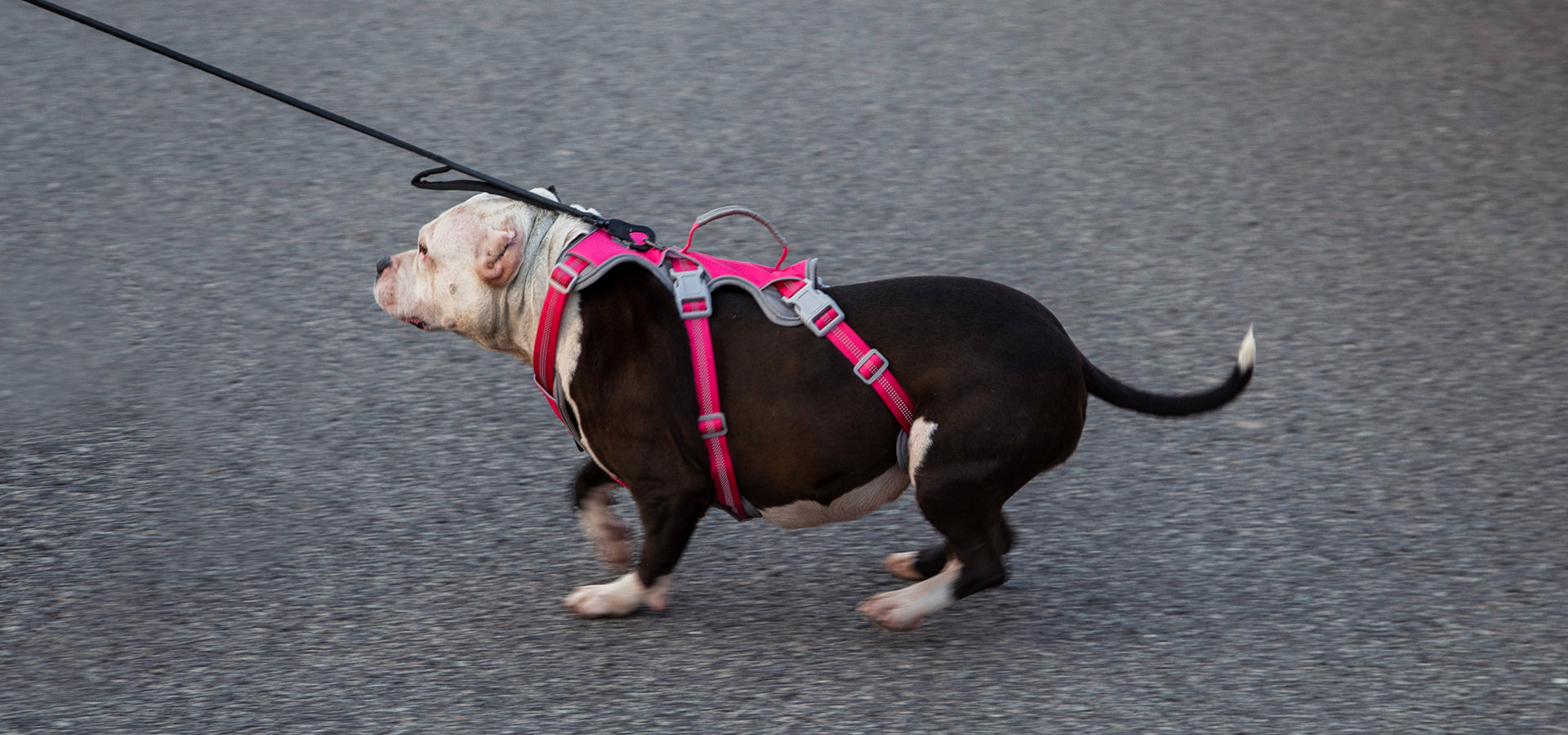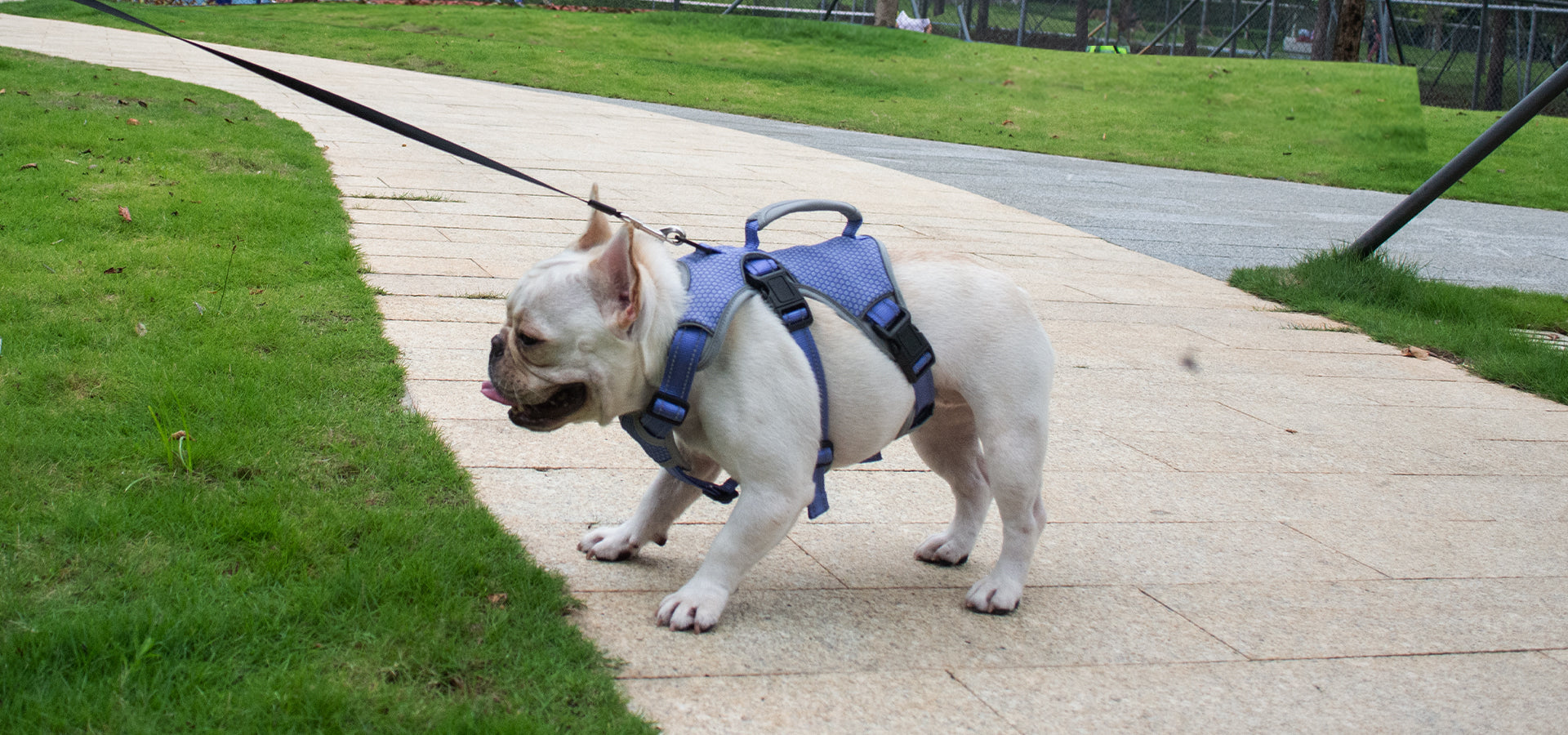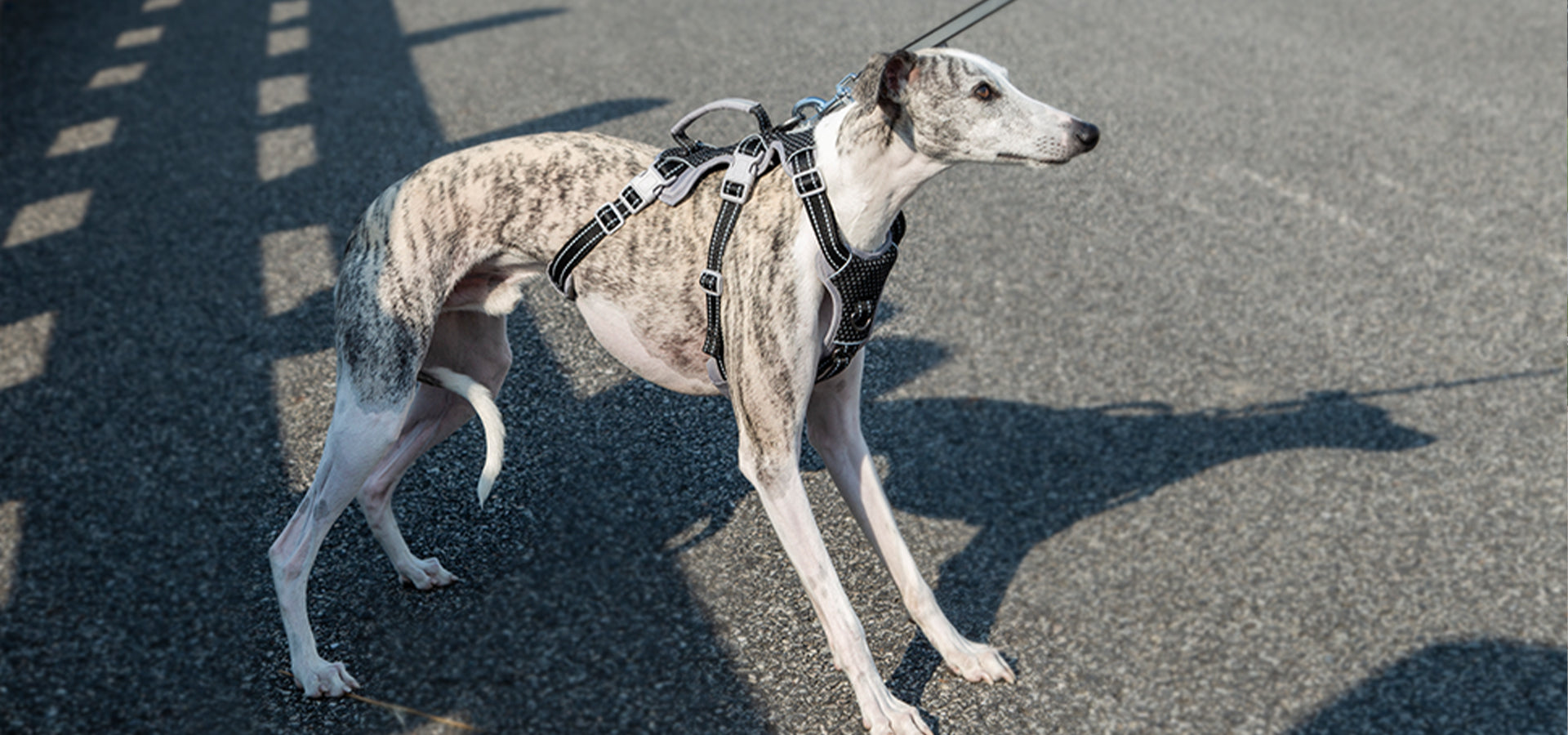
How to Choose an Escape-Proof Dog Harness
A dog that can reverse out of a standard harness turns an ordinary walk into a serious safety risk. The right harness can add meaningful security, but “escape-proof” should describe a design goal—not an absolute guarantee. No harness replaces accurate sizing, careful adjustment, supervision, and responsible leash handling.
Quick answer
Look for a rear safety strap positioned behind the widest part of the ribcage, multiple independent adjustment points, stable body coverage, secure hardware, and a fit that stays close without restricting movement. No harness is completely escape-proof; correct sizing and supervision remain essential.
What makes a harness harder to escape from?
Most dogs slip a harness by stopping, lowering their shoulders, and pulling backward. A secure harness reduces that opportunity through coverage, strap placement, and a close adjustable fit.
1. A third strap behind the ribcage
A belly strap positioned behind the widest part of the ribcage is more difficult to pull forward over the chest and shoulders. This is one of the clearest structural differences between a standard two-strap harness and an escape-resistant design.
2. Multiple adjustment points
Dogs have very different neck, chest, waist, and back proportions. Several independent adjustment points help the harness follow the dog’s actual shape instead of relying on one generic proportion.
3. Stable body coverage
More coverage can help distribute pressure and keep the harness from twisting when a dog pulls, freezes, or changes direction. More is not always better, though: the correct level depends on escape risk, mobility, temperature, and intended use.
4. Secure hardware and leash attachment
Check that buckles close fully, straps stay in position, and leash rings are connected to reinforced areas. A front attachment can help guide direction, while a back attachment is useful for normal walking. Some handlers use a secondary safety connection when working with a high-flight-risk dog.
Choose coverage based on the dog
Everyday added security: A lightweight three-strap harness can suit active dogs that need more protection than a standard harness without full-back coverage.
Anxious or newly rescued dogs: A more stable back panel and added body coverage can feel more predictable when a dog freezes, spins, or backs away.
High escape risk or support needs: Maximum-coverage designs may be appropriate when the priority is greater body security or controlled assistance. Ask a veterinarian or qualified professional before using a harness for mobility support.
Compare Huntboo’s three main coverage levels in our Find Your Fit guide.
How to check the fit
- Measure the lower neck and the widest part of the chest while the dog is standing.
- Use the size chart for the specific product, not a previous harness size.
- Leave room for about two fingers beneath each strap.
- Position the rear belly strap behind the ribcage, not directly in the armpits.
- Confirm that straps lie flat and do not restrict the shoulders or front legs.
- Before the first walk, gently test backward pressure indoors while keeping the dog calm.
Recheck the fit after several minutes of movement and inspect the harness before every use. Puppies, recently adopted dogs, and dogs whose weight changes may need frequent readjustment.
Warning signs that the harness is not secure
- The neck opening can slide over the dog’s head.
- The harness rotates noticeably around the body.
- The rear strap sits on the widest part of the ribcage instead of behind it.
- Buckles are partly closed, damaged, or covered by twisted webbing.
- The dog can place an elbow through a neck or leg opening.
The best harness is the one that fits correctly
Materials and features matter, but fit is the foundation. Start with accurate measurements, choose only the coverage your dog needs, and introduce new gear in a calm environment. If you are unsure, send your dog’s breed, weight, neck measurement, chest measurement, and a standing side photo through our Contact Us page.
Continue reading
Compare Huntboo harness coverage levels to find the most appropriate starting point for your dog.